What industrial R&D teams need to know
Lab digitalisation refers to systematically moving lab processes, measurement data and workflows into connected digital systems. The aim is to capture, structure and link data so that it becomes usable for well-founded and data-driven development decisions. Instead of relying on experience-based knowledge and scattered files, research and development gets a shared information base.
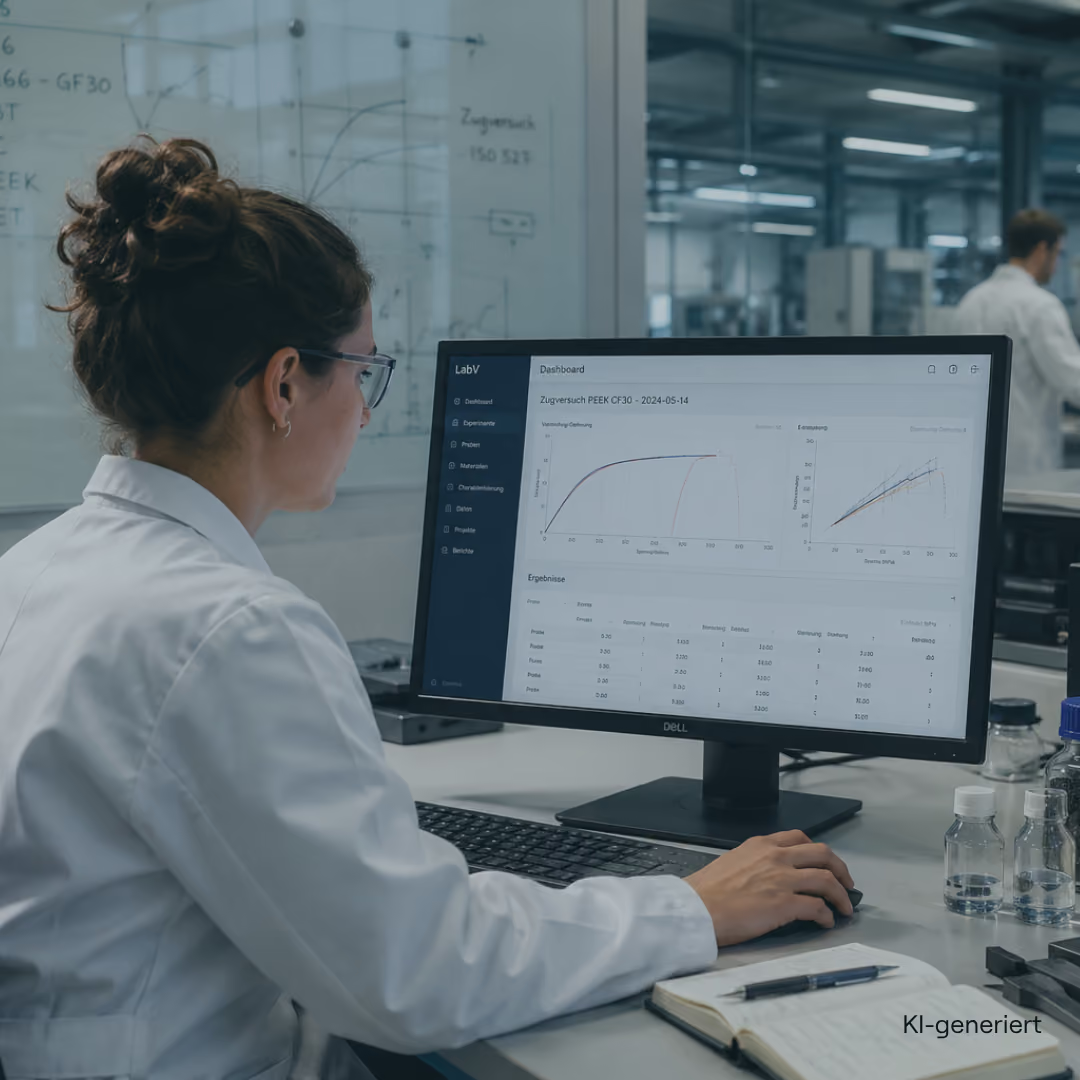
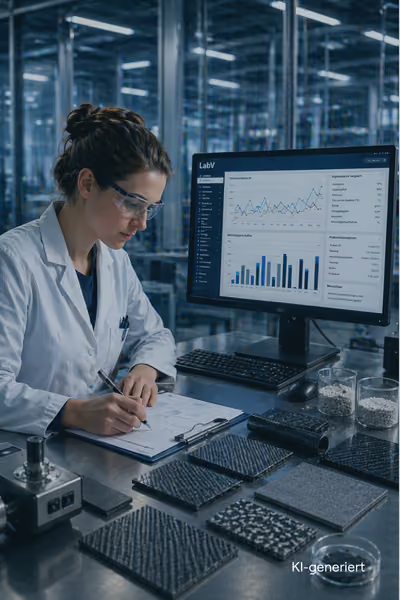
What does lab digitalisation mean in industrial R&D?
In industrial research and development, lab digitalisation means bringing test results, formulation variants, process parameters and quality data together in a shared database. Information that was previously spread across different systems, local files or individual employees' experience is captured in a structured way, linked together and made permanently usable.
Why digitalisation in R&D calls for a different approach
Digitalisation in manufacturing is often associated with production plants, ERP systems or automated manufacturing processes. R&D digitalisation, however, follows a different logic, one shaped by the kind of data R&D departments generate every day: measurement values from test equipment, data from formulation development, and raw-material specifications from suppliers.
Why R&D data is particularly complex
This is where lab digitalisation differs from production digitalisation. Production digitalises clearly defined processes. R&D, by contrast, is about combining knowledge from different data sources and keeping it accessible over time.
Three characteristics of successful laboratory digitalisation

Data integration across system boundaries
Measurement data, formulation data and quality data must be combined instead of being scattered across separate systems.

Structure without rigidity
R&D processes are exploratory. Digital systems need to support that openness, not restrict it with rigid forms or workflows.

Analysis as the goal
Captured data only creates value once it can be analysed and used for decisions. What matters, therefore, is not just capturing data, but its concrete value for development.
Data silos as the greatest hurdle for lab digitalisation
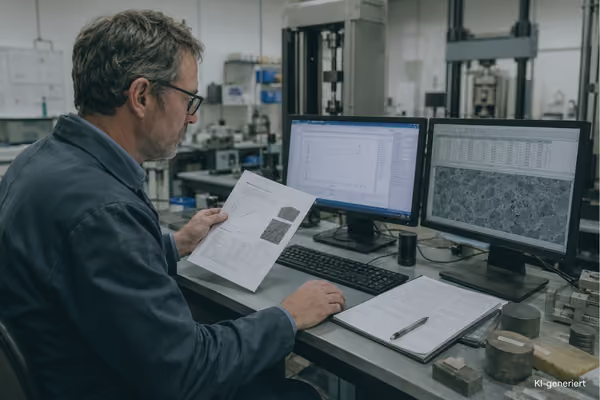
In most industrial R&D departments, data is generated wherever the work happens. Test equipment produces raw data in proprietary formats, LIMS or ELN systems cover only certain areas, and formulations often sit in spreadsheets on local drives.
The result: data silos. Each department works from its own database, with no shared overview. Checking whether a particular raw material combination has already been tested often means a time-consuming search across systems and lengthy conversations with colleagues.
Why Excel does not replace R&D data management
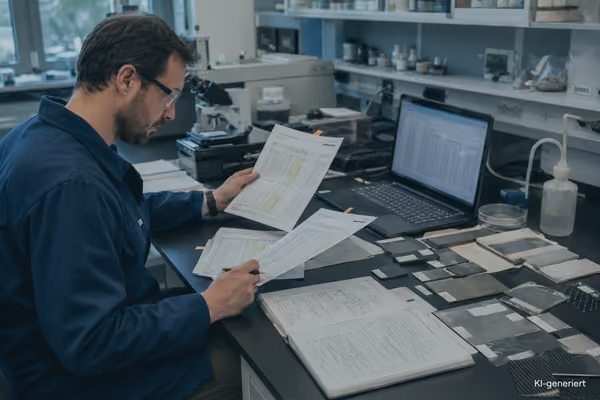
Excel is a short-term fix in many companies. It is flexible for individual analyses, but not built for long-term knowledge building. Anyone who wants to version formulations, link test results to raw material batches, or document development decisions in a traceable way quickly reaches the limits of classic spreadsheets. This is why switching from Excel to a structured laboratory data platform is often one of the first steps towards successful laboratory digitalisation.
R&D data management: making development data usable
R&D data management covers the entire lifecycle of development data, from capture through structuring and linking to analysis and reuse.
Capture
Measurement data is taken directly from test equipment, formulation variants are stored with version control, and manual transfer errors are reduced.
Structuring
All information is placed in a shared context. Test curves are linked to formulations, raw materials, experiment parameters, results and the responsible developers.
Analysis
Relationships between formulation variables and product properties become visible. AI-supported analyses help identify patterns that are difficult to detect manually.
Reuse
Historical trial data remains searchable and can be reused directly in new development projects.
From lab digitalisation to Material Intelligence
Lab digitalisation and R&D data management create the foundation for the next step: Material Intelligence. It describes the systematic use of structured material data and intelligent evaluation methods to make development decisions on the basis of a complete, connected database.
Prerequisites for Material Intelligence
Structured, connected material data
A complete database covering materials, experiments and test results, linking information across systems.
AI-supported data analysis
Analysis tools identifying relationships and patterns in large volumes of data that are difficult to detect manually.
LIMS, ELN and Material Intelligence platforms
Anyone driving lab digitalisation forward has to choose from a wide range of different software solutions. Which solution is right depends on the starting situation. Companies with documentation problems need different tools than teams whose biggest challenge lies in linking and evaluating complex development data.
LIMS
Specialised in sample and data management in the lab. Particularly suitable for documentation and traceability.
ELN
A digital lab notebook for the structured documentation of individual experiments.
Material Intelligence platforms
Connect data from LIMS, ELN, test equipment and other sources into a shared, analysable database.
Lab digitalisation in practice
Requirements for lab digitalisation differ by industry and product type. The challenges in handling development data vary accordingly.

R&D Data Management for Paint Development
The development of paints and coatings is formulation-intensive: many raw materials, many variants, and high testing requirements. Data silos between development, quality assurance, and production are a structural problem. Raw material changes must be evaluated quickly.
R&D software for the chemical industry
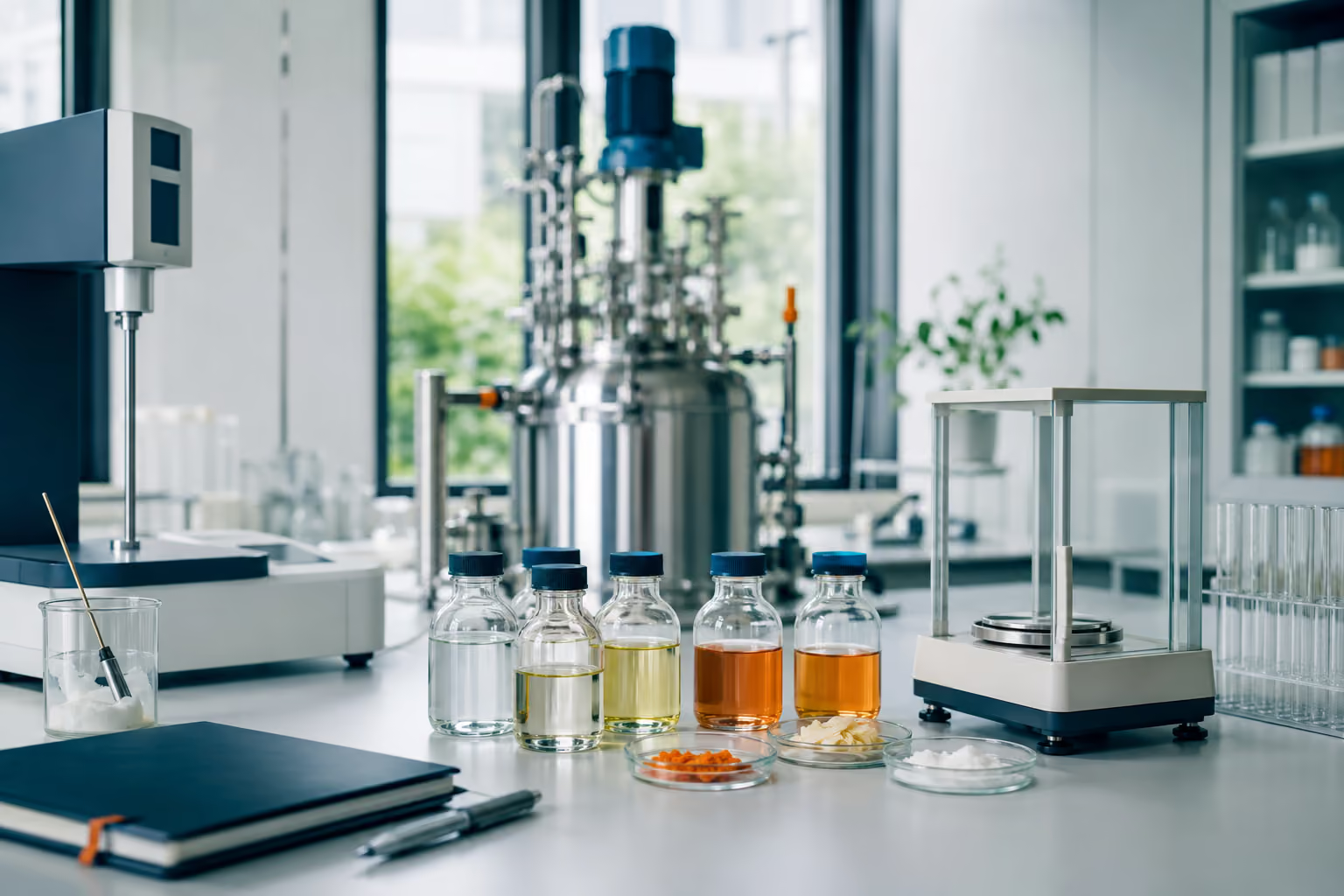
Development departments work with large volumes of formulations, analysis results, and raw material specifications. The challenge often lies in making historical test data searchable and understanding the correlations between raw material variations and product properties.
Formulation management for adhesives
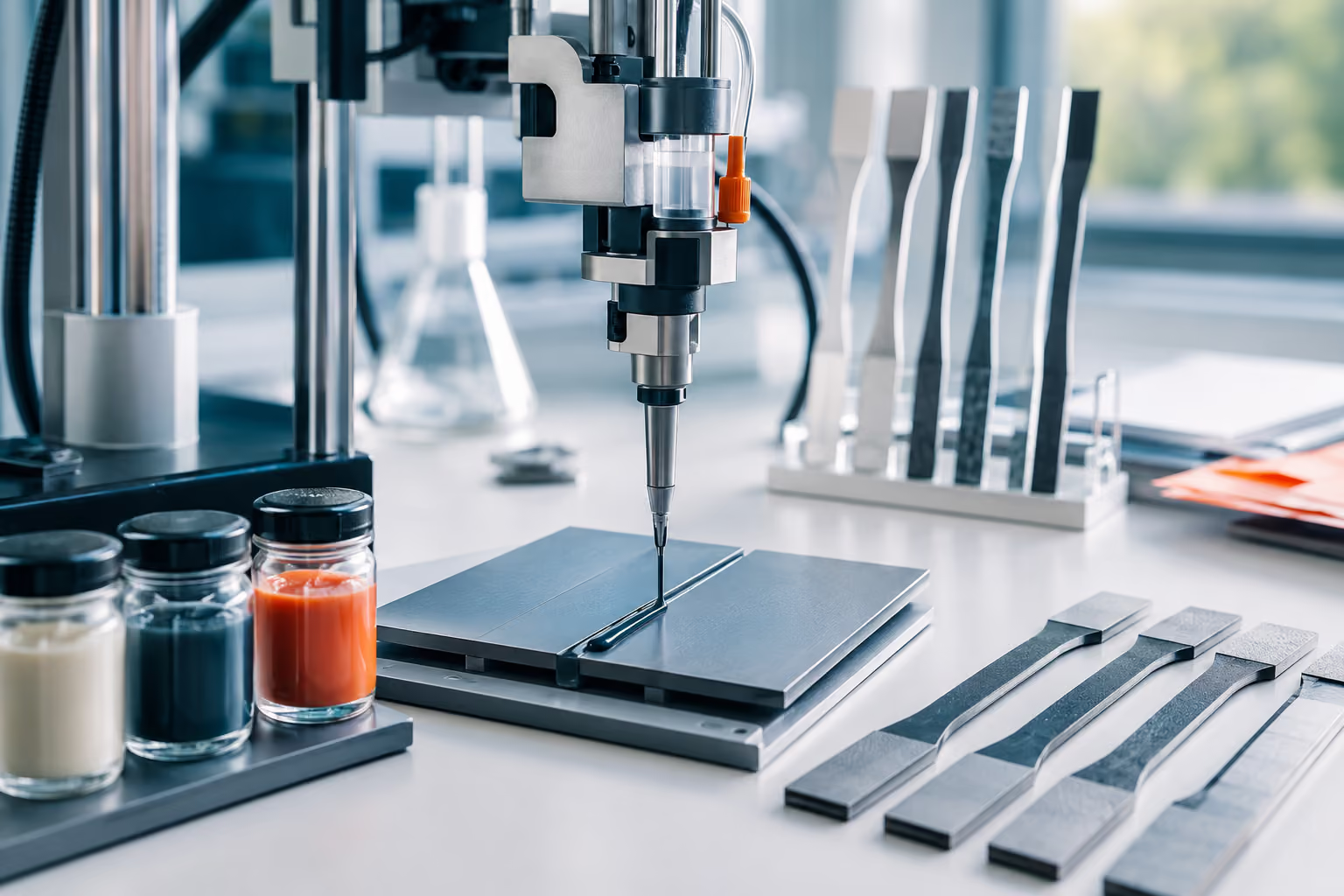
Adhesive formulation development requires linking formulation parameters with mechanical and chemical test results across many test series.
R&D data management for plastics processing
Processing parameters must be integrated with material properties and formulation data—a task that pushes traditional LIMS systems to their limits.

Laboratory digitalization for construction chemicals
Formulation data for adhesives, sealants, coatings, or mortars is complex and often poorly documented. A structured database is the prerequisite for reproducible development cycles.



Find out what lab digitalisation looks like in practice
Book a free 45 minute demo and see how LabV simplifies complex processes, connects data effortlessly, and makes everyday lab work noticeably easier through an intuitive interface.