Measurement data, process data and analytical data in one data structure
Consolidate data. Identify patterns. Make data-driven decisions.
In chemical R&D, formulations, process parameters, raw materials and test conditions are continuously adjusted. Additives, concentrations, mixing conditions or drying times influence quality and material properties — often in ways that only become visible through structured data comparison.
LabV consolidates measurement data, analytical data and process data in a central data platform. This forms the basis for data-driven decisions and reduces trial-and-error across batches and projects.


Fragmented data in formulation development
The following questions often go unanswered in R&D because the data isn't accessible. Which process parameters improved product properties? How does temperature affect quality? Has this raw material combination already been considered in experimental design?
Experimental records are stored in Excel files, analytical data sits in isolated systems and reports are saved as PDFs on local drives. Structured comparison across test series and batches is time-consuming— and often skipped entireley. Experiments are repeated rather than built on, patterns go undetected and the cost of parameter changes is hard to quantify.
Data connectivity in formulation development
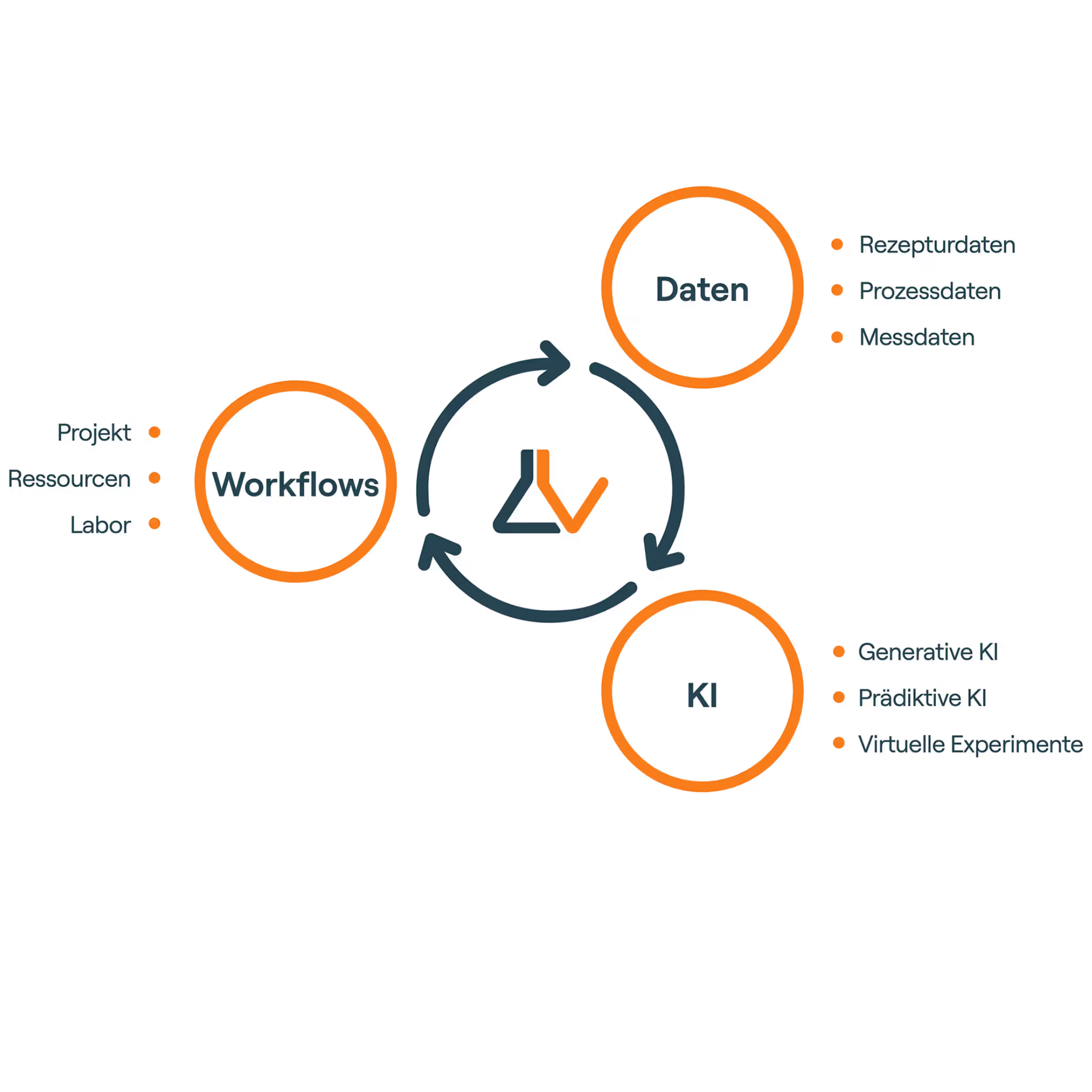
One platform. All R&D data. LabV links process parameters, analytical data and batch information in a single data structure. Changes to formulations or processes are traceable as is their influence on quality and material properties.
The result: development teams work from complete datasets. Results are transparently documented, development cycles are shortened and data-driven decisions replace individual observations.
Structure your formulation data from day one
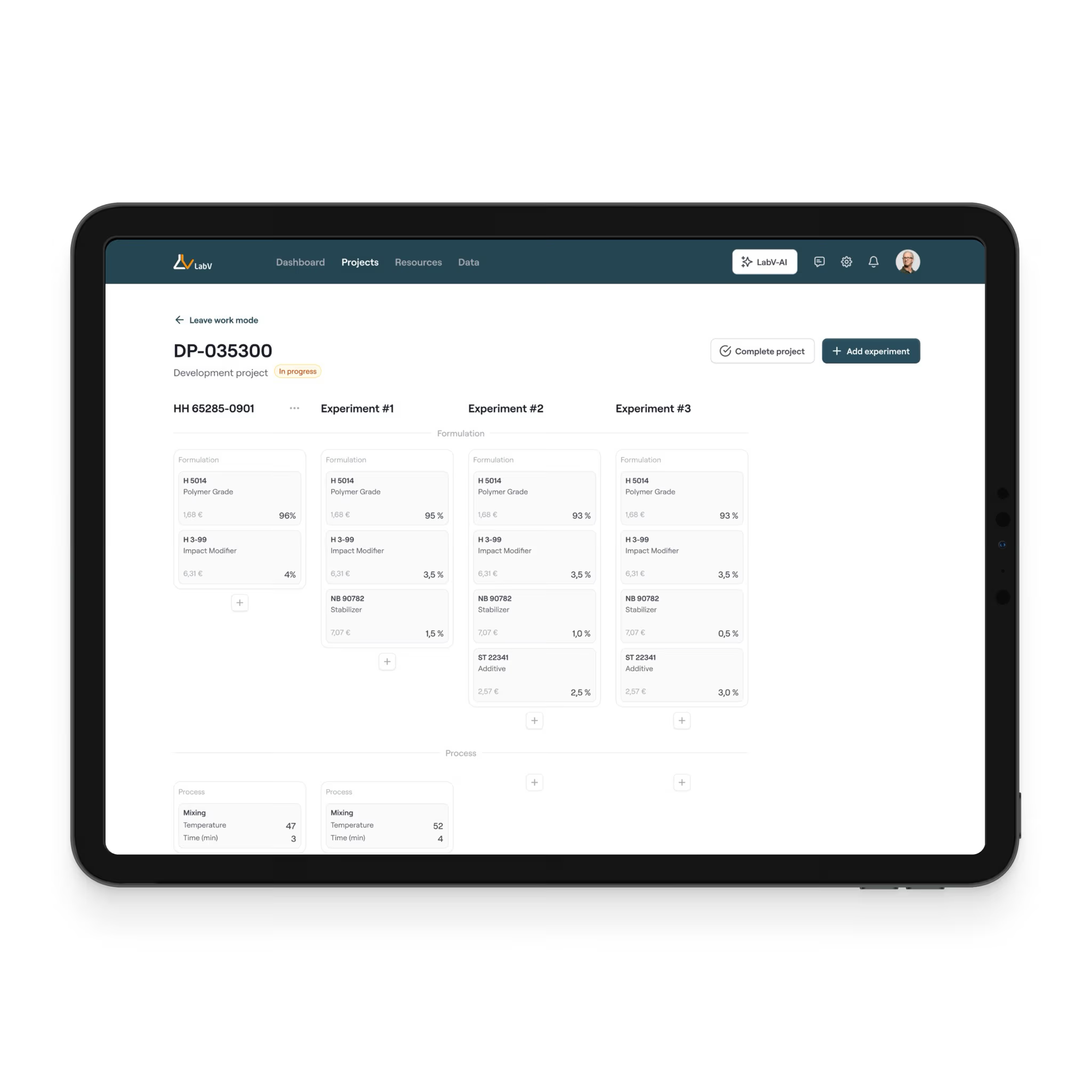
Every change to a formulation or process generates new data. To compare it meaningfully across projects, process parameters, measurement data and analytical data need to be captured together from the star. Retrospective consolidation loses the context that makes the data useful.
LabV structures this data in a way that the relationship between a formulation decision and its test result remains traceable across batches, iterations, and projects.
Identify patterns and guide development
AI supports. The team decides.
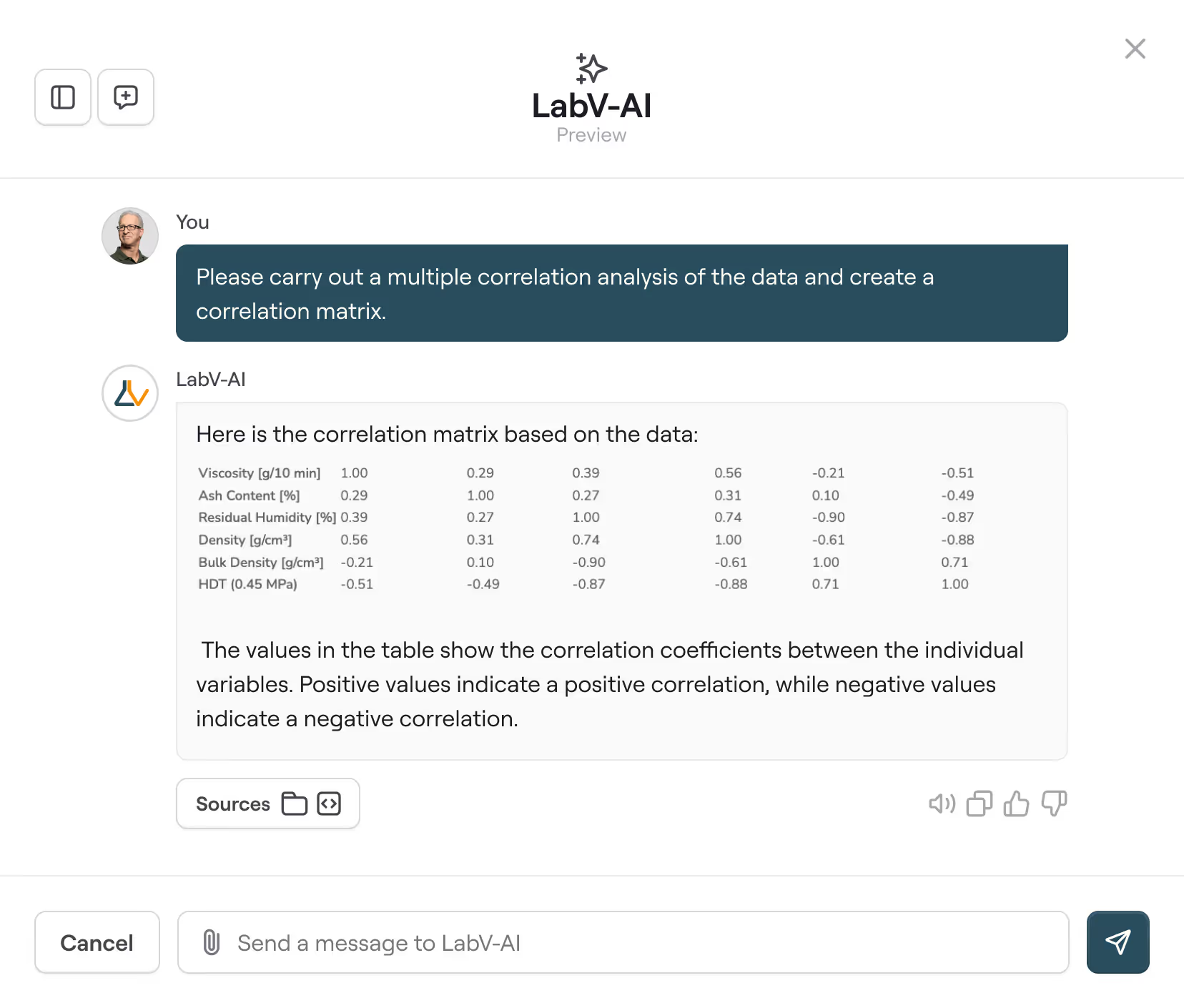
Based on structured data, LabV's AI assistant identifies patterns across test series and puts deviations between batches in context. This reveals which process parameters perform consistently under specific conditions and which do not.
Data connectivity as the foundation for traceable formulations
A manufacturer of speciality additive systems was developing formulations for several application areas in parallel: stabilisers for plastics processing, adhesion promoters for coatings and processing aids for compounding. Each formulation required the coordination of multiple raw material components. Concentration, active ingredient ratios and carrier systems all varied by target application.
Experimental data was distributed across systems: formulations in Excel, analytical data on viscosity and stability as PDF exports, test results from application tests in separate project folders. A cross-project variant comparison, such as whether a specific active ingredient concentration consistently influences stability across different carrier systems, was not feasible manually. Repeat experiments were the direct result of data that hard to find.
With LabV as a central data platform, formulations, analytical data and test results are captured in a consistent data structure. Relationships between raw material ratios and application properties become systematically comparable across formulation variants. New formulations can be prioritised using existing data before committing to new test series.




Experience live
how formulation data becomes systematically usable.
Experience in a short demo session how LabV brings together formulations, test data and variant knowledge in paint and coatings development.